General Updates

Constipation in Indians: A Lifestyle Disease Now

Constipation in Indians: A Lifestyle Disease Now

Constipation in India is no longer limited to the elderly. It is showing up in school-going children, working professionals, homemakers, and even people in their 20s. Yet most Indians don’t talk about it openly. It is brushed off as “normal,” seasonal, or something that will fix itself. But constipation today is not a random digestive problem. It is a clear signal that modern Indian lifestyles are working against the body. Across urban and semi-urban India, dietitians are seeing the same story repeat — people eating regularly, drinking water, and still struggling with hard stools, incomplete evacuation, bloating, acidity, and dependence on laxatives. Why Constipation Has Become So Common Traditional Indian routines supported digestion naturally. Meals were timed, walking was built into daily life, fibre intake was higher, and stress levels were lower. Today, the opposite is true. Meals are rushed or skipped Fibre intake is low despite “full plates” Water intake is irregular Physical movement is minimal Stress is constant The gut responds slowly at first. Then one day, constipation becomes routine. It Is Not Just About Fibre Or Water Most people try adding more fruits, isabgol, or hot water. Some rely on home remedies, others on over-the-counter laxatives. Relief may come temporarily, but the problem returns. Why? Because constipation is not just about what goes in — it’s about how the body functions overall. Poor sleep, irregular eating times, excessive caffeine, low protein intake, and constant screen exposure all affect gut motility. The intestine, like the brain, responds to rhythm. When daily rhythms collapse, digestion slows. The Role Of Stress And Ignoring Urges One of the most overlooked causes of constipation in Indians is ignoring the natural urge to pass stools. Morning rush, office pressure, travel, or lack of privacy train the body to suppress signals. Over time, the bowel forgets its rhythm. Chronic stress further tightens gut muscles, making evacuation difficult. This is why constipation is often accompanied by bloating, acidity, and heaviness rather than pain alone. Why “Healthy Indian Food” Still Fails Many people eat home-cooked meals and still suffer. The issue lies in: Excess refined grains Overcooked vegetables Low raw or fermented foods Repetitive meals lacking diversity High oil and low protein Food quantity exists, but food quality and balance are missing. This pattern is seen widely, whether someone consults us, the best dietitian in Ahmedabad, the best dietitian in Gujarat, or seeks guidance from the best dietitian in India while living abroad. When Constipation Becomes Dangerous Long-term constipation is not harmless. It increases the risk of: Piles and fissures Gut inflammation Toxin reabsorption Hormonal imbalance Fatigue and brain fog Many people don’t realise their low energy, bad breath, skin issues, or irritability are linked to poor gut clearance. What Actually Helps Long Term Constipation improves when lifestyle is corrected, not when symptoms are suppressed. This includes: Regular meal and sleep timing Balanced fibre from varied sources Adequate protein to support gut muscles Stress regulation Daily movement This is why personalised diet strategies matter more than generic advice — whether someone is consulting us… the best dietitian in Patiala, the best dietitian in Chandigarh, or elsewhere. Final Take Constipation in India has evolved into a lifestyle disease — quiet, common, and ignored. Treating it casually allows deeper health issues to build silently. Regular bowel movements are not a luxury. They are a sign of internal balance. When digestion flows, energy rises, mood improves, and the body functions the way it was meant to. Call us at +91 9814274040 now. “Sehatmand Raho, Sukhi Raho!” (Stay Healthy, Stay Happy)

Constipation in Indians: A Lifestyle Disease Now Read More »

Late Dinners: The Silent Health Killer in Indian Homes

Late Dinners: The Silent Health Killer in Indian Homes

Late Dinners: The Silent Health Killer In Indian Homes — in many Indian households, dinner is pushed late into the night, often around 9:30 pm or even closer to 11. After a long, exhausting day, families finally gather, the TV runs in the background, phones stay in hand, and this becomes the only moment to truly relax. It may feel comforting. It may seem completely normal. But this everyday habit is quietly harming health in ways most people don’t even realise. As the best dietitian in Punjab, we see the same pattern again and again — weight gain, bloating, acidity, poor sleep, rising cholesterol, fatty liver, and hormonal issues, all linked to one simple habit: eating too late at night. Why Late Dinners Became Normal Indian routines have changed, but our biology hasn’t. Long office hours, traffic, screen addiction, and late-night work calls have pushed dinner later and later. For many, dinner is the heaviest meal of the day. The problem is not Indian food. The problem is timing. What Actually Happens Inside Your Body After sunset, the body naturally slows down. Digestion weakens. Insulin sensitivity drops. Metabolism shifts toward repair, not food processing. When heavy meals are eaten late: Food stays undigested longer Blood sugar remains high overnight Fat storage increases Acid reflux worsens Sleep quality drops Clients from Ahmedabad to Chandigarh often say, “I sleep after dinner, so digestion should be fine.” Unfortunately, sleep and digestion don’t work well together. Why You Wake Up Tired And Bloated Late dinners force your body to work when it should be resting. The liver, gut, and pancreas stay active all night. This leads to morning fatigue, heaviness, poor appetite, and sluggish bowel movements. Over time, this pattern contributes to fatty liver, insulin resistance, belly fat, and chronic acidity — even in people who eat home-cooked food. The Weight Gain Connection No One Talks About Many Indians eat very little during the day and overload calories at night. This confuses hunger hormones and slows fat burning. Weight loss becomes nearly impossible, no matter how “clean” the food is. This is why people guided by the best dietitian in India often see results simply by correcting meal timing. Is Early Dinner Realistic In Indian Homes? Yes — but it requires mindset change, not extreme rules: Eat a lighter, protein-rich dinner Finish dinner at least 2–3 hours before sleep Reduce oil and heavy gravies at night Stop treating dinner as the day’s reward Clients across Gujarat, Patiala, Chandigarh, and globally report better sleep, digestion, and energy within weeks of shifting dinner timing. Final Thought Late dinners are quietly stealing Indian health..one night at a time. What feels comforting today creates health struggles tomorrow. Food timing matters as much as food quality. With simple changes and guidance from the best dietitian in Patiala, Indian homes can protect digestion, sleep, and long-term health…without giving up traditional meals. Sometimes, eating earlier is the biggest upgrade you can make. Call us at +91 9814274040 now. “Sehatmand Raho, Sukhi Raho!” (Stay Healthy, Stay Happy)

Late Dinners: The Silent Health Killer in Indian Homes Read More »

Sleep Debt: Why Indians Feel Tired All Day

Sleep Debt: Why Indians Feel Tired All Day

Feeling tired has become normal for Indians. Morning exhaustion, afternoon crashes, constant caffeine dependence, and low motivation are now accepted as part of daily life. But this is not normal ageing or workload. The real culprit is sleep debt… a growing health crisis silently affecting Indians across age groups. As the best dietitian in Chandigarh, working with individuals across India, and Indians living globally, we see sleep debt impacting energy, weight, digestion, hormones, and mental health more than people realise. What Is Sleep Debt? Sleep debt occurs when you consistently sleep less than your body needs. Missing even one or two hours of sleep daily adds up over time. Your body keeps a score, and eventually, the deficit shows up as fatigue, brain fog, poor immunity, and mood swings. Unlike money debt, sleep debt cannot be fully repaid by sleeping extra on weekends. Why Sleep Debt Is So Common In India Modern Indian lifestyles are a perfect recipe for poor sleep: Late-night mobile use and screen exposure Irregular work hours and night shifts Heavy dinners eaten late High stress and mental overload Early morning responsibilities People from Ahmedabad to Chandigarh often sleep 5–6 hours but believe it is “enough.” Unfortunately, the body strongly disagrees. How Sleep Debt Affects Daily Energy Poor sleep disrupts hormones that regulate hunger, energy, and metabolism. When sleep-deprived: Cortisol stays high, causing constant tiredness Appetite increases, especially for carbs and sugar Muscle recovery slows Brain focus drops Motivation declines This explains why many Indians feel drained even after eating “healthy” or taking supplements. Why Caffeine Is Making It Worse Tea and coffee provide temporary alertness but do not fix sleep debt. Excess caffeine further disrupts sleep cycles, creating a vicious loop of poor sleep and daytime fatigue. Clients guided by the best dietitian in India often report improved energy once caffeine dependency is reduced and sleep quality improves. The Connection Between Sleep And Weight Gain Sleep debt slows metabolism and increases fat storage, especially around the belly. It also reduces insulin sensitivity, increases cravings, and lowers willpower. No diet or exercise plan works effectively when sleep is neglected. This is why Indians trying to lose weight often feel stuck despite efforts. How To Reduce Sleep Debt Naturally Improving sleep does not mean drastic changes: Maintain a fixed sleep-wake time Reduce screen exposure at night Eat lighter, earlier dinners Manage stress through routine and breathing Prioritise 7–8 hours of quality sleep When aligned with personalised nutrition, energy levels improve dramatically. Final Thought Sleep debt is silently draining India’s energy, productivity, and health. Feeling tired all day is not normal — it is a warning. Whether you live in Gujarat, Patiala, Chandigarh, or abroad, addressing sleep alongside nutrition with guidance from the best dietitian in Chandigarh can transform how you feel daily. Sleep is not a luxury. It is a biological necessity. Call us at +91 9814274040 now. “Sehatmand Raho, Sukhi Raho!” (Stay Healthy, Stay Happy)

Sleep Debt: Why Indians Feel Tired All Day Read More »

Pre-Diabetes: The Silent Stage Everyone Ignores

Pre-Diabetes: The Silent Stage Everyone Ignores

Pre-Diabetes: The Silent Stage Everyone Ignores is quietly becoming one of India’s biggest health threats. Most people don’t even realise they have it. Blood sugar levels are “borderline,” symptoms are mild or invisible, and life continues as usual.. until full-blown diabetes arrives. As the best dietitian in Ahmedabad, working with clients across Gujarat, Patiala, Chandigarh, and Indians settled globally, we regularly see people shocked when told they are pre-diabetic. Many feel healthy, active, and symptom-free, yet their blood reports tell a different story. What Exactly Is Pre-Diabetes? Pre-diabetes is a metabolic condition where blood sugar levels are higher than normal but not high enough to be classified as diabetes. It is the warning stage… the body is already developing insulin resistance. This stage can last for years without obvious symptoms, which is why it is so dangerous. Without timely intervention, most people progress to Type 2 diabetes. Why Most Indians Miss The Warning Signs Pre-diabetes rarely shows dramatic symptoms. Common signs are often ignored or blamed on lifestyle: Constant fatigue Increased hunger or sugar cravings Belly fat despite normal weight Frequent urination Brain fog or poor concentration Our clients from Ahmedabad, Chandigarh, and abroad often say, “My reports were only slightly high, so I ignored it.” Unfortunately, that delay costs health later. Why Pre-Diabetes Is Exploding In India India’s modern lifestyle is the perfect breeding ground for pre-diabetes: Carb-heavy meals with low protein Excess refined foods and hidden sugars Chronic stress Poor sleep quality Long sitting hours Even people who eat “ghar ka khana” are affected because portion sizes, food combinations, and timing are incorrect for today’s activity levels. The Biggest Myth: ‘I’ll Fix It Later’ Many believe pre-diabetes can be handled later with medicines. The truth is — this is the easiest stage to reverse naturally. Once diabetes develops, management becomes lifelong. Ignoring pre-diabetes allows silent damage to blood vessels, nerves, liver, and pancreas — even before official diabetes diagnosis. How Pre-Diabetes Can Be Reversed With the right guidance, pre-diabetes is highly reversible. Key strategies include: Balancing carbohydrates with adequate protein and fibre Reducing refined grains, not just sugar Improving meal timing and spacing Supporting gut and liver health Managing stress and sleep Clients guided by us, the best dietitian in India — whether from Gujarat, Patiala, Chandigarh, or overseas — often see sugar levels normalise within months when changes are made early. Why Professional Diet Counselling Matters Generic advice like “eat less sugar” or “start walking” is not enough. Pre-diabetes requires personalised planning based on age, weight, work schedule, stress levels, and existing habits. Professional support ensures sustainable changes without extreme dieting or unnecessary fear. Our Thought Pre-diabetes is not harmless. It is a loud warning whispered quietly. Ignoring it means inviting diabetes into your future. The good news? Early action, smart nutrition, and expert guidance from the best dietitian in Ahmedabad can help you regain control before permanent damage occurs. Remember, your blood sugar today decides your health tomorrow. Call us at +91 9814274040 now to manage your sugar levels naturally! “Sehatmand Raho, Sukhi Raho!” (Stay Healthy, Stay Happy)  

Pre-Diabetes: The Silent Stage Everyone Ignores Read More »

Why the Modern Indian Thali Is Making Us Sick

Why the Modern Indian Thali Is Making Us Sick

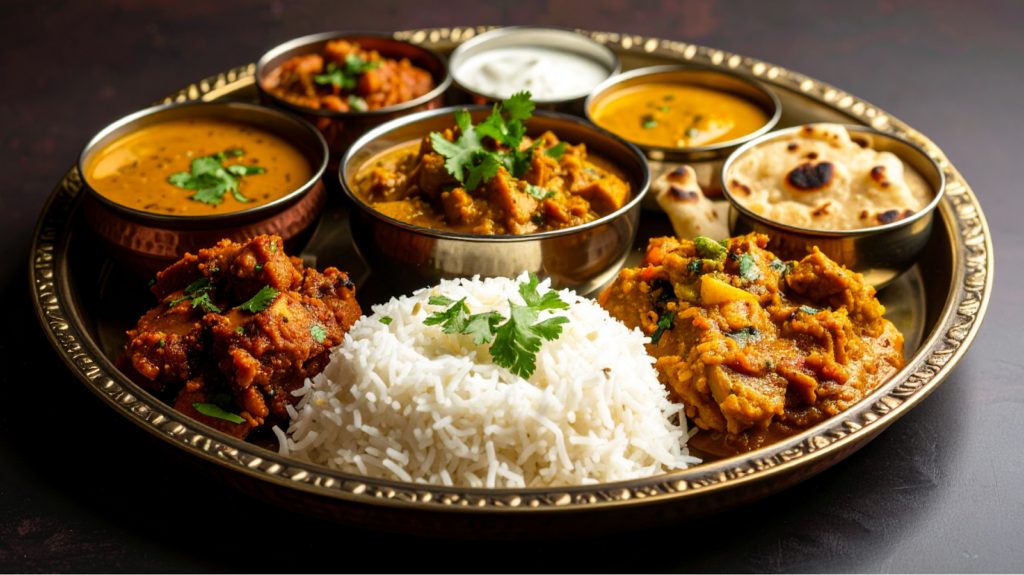
The Indian thali has always been celebrated as balanced, wholesome, and nourishing. Traditionally, it included seasonal vegetables, lentils, grains, fermented foods, and healthy fats , all eaten mindfully. But why the modern Indian thali is making us sick & looks very different, and it is silently contributing to obesity, diabetes, fatty liver, gut issues, hormonal imbalance, and heart disease. As the best dietitian in Ahmedabad, working with clients across Gujarat, Patiala, Chandigarh, and also Indians settled globally, we see one common issue…. people believe they are eating “ghar ka khana,” yet their health markers keep worsening. Why the Modern Indian Thali Is Making Us Sick? The problem is not Indian food. The problem is how it is prepared, portioned, and combined today.Modern thalis are overloaded with: Excess refined grains (white rice, maida rotis) Too much oil, ghee, butter, and reheated fats Minimal protein Very low fibre Repeated vegetables cooked the same way daily This imbalance causes constant blood sugar spikes, insulin resistance, and fat storage — especially around the belly. High Carbs, Low Protein – A Dangerous Mix Most Indian thalis today are carb dominant. Two to three rotis, rice, potato sabzi, and dal in small quantities is considered “normal.” But protein, the nutrient that controls hunger, metabolism, muscle health, and hormones, is severely lacking. Our Clients from Ahmedabad, Chandigarh, and even abroad, who signed up with us in their quest for the best dietitian in India often say, “But we eat dal daily.” Unfortunately, dal alone is not enough for modern lifestyles, stress levels, and sedentary routines. Why Digestive Issues Are Rising Bloating, gas, acidity, constipation, and IBS are now common in young Indians. One major reason is repetitive, heavy, and poorly balanced thalis. Overcooked vegetables, lack of raw foods, poor gut bacteria diversity, and constant snacking between meals disrupt digestion. Even globally, Indians following the same food patterns struggle with gut health. The Oil And Portion Size Problem Traditional Indian meals used small amounts of fresh fats. Today, restaurant-style cooking has entered homes… more oil, more frying, more gravies. Portion sizes have also increased, while physical activity has dropped. This mismatch is a major reason behind rising fatty liver cases, even among people in their 30s. How To Fix The Indian Thali Without Quitting Indian Food You don’t need to give up roti, rice, or dal. You need to restructure your thali: Increase protein portions (dal, paneer, curd, eggs, tofu, fish, chicken) Add fibre through salads and diverse vegetables Reduce oil quantity Balance grains instead of piling them up Eat mindfully and stop overeating in the name of tradition This is where guidance from the best dietitian in India makes a real difference. Our Take: The Indian thali is not unhealthy — the modern version is. Without correction, it continues to push Indians toward lifestyle diseases, even those who “eat home food.” Whether you live in India or anywhere in the world, a personalised approach rooted in Indian food wisdom is the key to healing. Smart nutrition, not blind tradition, is what keeps you healthy today. Call us at +91 6280234040 now! “Sehatmand Raho, Sukhi Raho!” (Stay Healthy, Stay Happy)

Why the Modern Indian Thali Is Making Us Sick Read More »

Is Dal Enough Protein for Indians?

Is Dal Enough Protein for Indians? Here’s the Truth

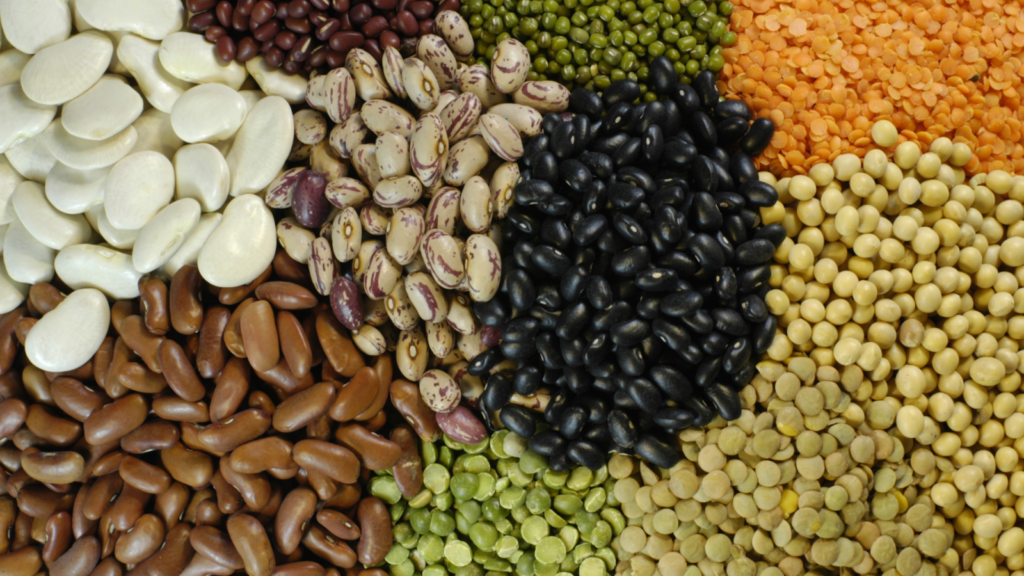
Dal has been a staple in Indian kitchens for centuries. From Gujarati thalis, Punjabi meals, South Indian sambar, to North Indian dals, it remains the main protein source for vegetarians. But the question modern Indians ask is… is dal enough to meet our daily protein needs? Our team at Healthy2BFit, recognised by many as the best dietitian in Ahmedabad and serving clients across Gujarat, Patiala, Chandigarh, and internationally, often sees young Indians relying heavily on dal yet struggling with fatigue, hair fall, slow metabolism, muscle weakness, and low immunity. Even globally, Indians living in the UK, Canada, Australia, and the Middle East face the same challenge. How Much Protein Does Dal Provide? Dal provides about 7–9 grams of protein per half-cup cooked. It’s also rich in fibre, iron, folate, and antioxidants. Pairing dal with rice, roti, or whole grains improves the amino acid profile, making it a more “complete” protein source. However, for adults needing 1–1.5 grams of protein per kilogram of body weight daily, dal alone is often insufficient. Physically active individuals, athletes, people managing weight, or those with metabolic or hormonal concerns often need additional protein to meet their daily requirements. Why Dal Alone May Not Be Enough Plant proteins, including dal, are often “incomplete,” meaning they lack certain essential amino acids. Modern Indian portion sizes are smaller than traditional meals, so even pairing dal with cereals may fall short. Furthermore, busy lifestyles, high stress, poor sleep, or digestive issues can increase protein demand. Without a balanced diet, relying only on dal may compromise muscle repair, metabolism, immunity, and energy levels. How To Boost Protein In An Indian Diet Combine protein sources: Paneer, tofu, eggs, milk, chicken, or fish for non-vegetarians. Include nuts and seeds: Almonds, walnuts, flax, pumpkin, sunflower seeds. Optimize portions: Eat 1–2 servings of dal per meal with cereals, vegetables, and seeds. Add protein-rich snacks: Roasted chickpeas, sprouts, or protein smoothies. Why Professional Guidance Helps Protein needs vary based on age, weight, activity, medical conditions, and fitness goals. Individuals across Ahmedabad, Gujarat, Patiala, and Chandigarh benefit from personalised guidance from the best dietitian in India to ensure enough protein without overloading calories or harming kidney health. Dal is a fantastic cornerstone of the Indian diet, but for most modern Indians, dal alone is not enough protein. Combining multiple protein sources ensures better energy, muscle health, immunity, and overall wellness. Whether you live in India or abroad, personalised diet plans from experts like the best dietitian in Ahmedabad can make all the difference in achieving your health goals. Call us at +91 6280234040 now! “Sehatmand Raho, Sukhi Raho!” (Stay Healthy, Stay Happy)

Is Dal Enough Protein for Indians? Here’s the Truth Read More »

Does Turmeric Actually Heal Inflammation?

Does Turmeric Actually Heal Inflammation?

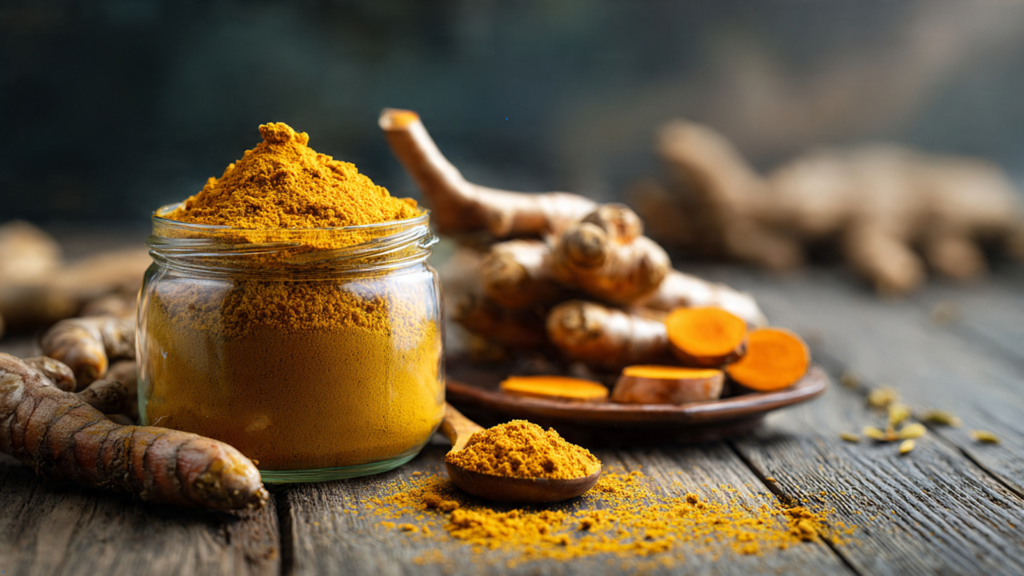
Turmeric has been part of Indian kitchens and traditional medicine for centuries. Long before supplements and wellness trends, Indian households used turmeric daily for wounds, infections, digestion, joint pain, and overall immunity. Today, turmeric is globally celebrated—but Does Turmeric Actually Heal Inflammation? Or is it just another health trend? What Is Inflammation And Why It Matters Inflammation is the body’s natural defense mechanism. Acute inflammation helps healing, but chronic inflammation silently damages organs, slows metabolism, disrupts hormones, increases insulin resistance, weakens immunity and accelerates ageing. It is now recognised as the root cause of obesity, diabetes, heart disease, PCOS, arthritis, gut disorders and many autoimmune conditions. How Turmeric Works Inside The Body Curcumin, turmeric’s main active compound, blocks inflammatory pathways, reduces oxidative stress, improves gut lining integrity and supports immune balance. Research shows curcumin helps lower inflammatory markers, ease joint pain, improve digestion, support liver function and regulate blood sugar. The Right Way To Use Turmeric Turmeric must be absorbed properly to work. It requires black pepper and healthy fats for maximum absorption. Adding turmeric to cooked meals, warm milk, herbal teas or curries provides daily support. Fresh turmeric root offers even stronger anti-inflammatory benefits. Consistency matters far more than high doses. When you enroll with Healthy2Bfit, the best dietitian in Ahmedabad, we tell you countless ways to incorporate the benefits of turmeric! What Turmeric Cannot Do Turmeric is powerful but not magical. It cannot reverse inflammation caused by constant sugar intake, poor sleep, emotional stress, smoking, alcohol or ultra-processed foods. It works best as part of a balanced lifestyle, not as a shortcut. Who Benefits Most From Turmeric People struggling with joint pain, gut inflammation, PCOS, fatty liver, metabolic syndrome, arthritis, skin conditions, muscle soreness and chronic fatigue often experience visible improvements with regular turmeric intake. Turmeric remains one of nature’s most reliable healers. When used consistently with supportive lifestyle changes, it helps calm inflammation, strengthen immunity and restore balance inside the body. Try our tip, today! Call us at +91 6280234040 now! “Sehatmand Raho, Sukhi Raho!” (Stay Healthy, Stay Happy)

Does Turmeric Actually Heal Inflammation? Read More »

Are Indian Fasting Practices Still Healthy Today?

Are Indian Fasting Practices Still Healthy Today?

Fasting has always been deeply rooted in Indian culture. From religious fasts like Ekadashi and Navratri to cultural practices observed across communities, Indian fasting was originally designed to cleanse the body, strengthen discipline, and restore metabolic balance. But in today’s world of long working hours, high stress, processed food and limited physical movement, the same fasting methods need careful rethinking. Why Fasting Worked Beautifully In The Past Traditional Indian lifestyles were physically demanding. Meals were fresh, home-cooked and unprocessed. Sleep cycles followed natural light. In that environment, fasting allowed the digestive system to rest, reduced inflammation, stabilised metabolism and improved insulin sensitivity. It also encouraged mindfulness and emotional discipline around food. Why Fasting Is More Complicated Today Today the Indian body is already under constant stress. Sitting for long hours, excessive screen exposure, lack of quality sleep, poor hydration, high sugar intake and emotional pressure all weaken digestion and hormonal balance. When fasting is done without adapting to this reality, it often causes acidity, dizziness, weakness, headaches, binge eating and extreme fatigue. When Fasting Can Be Powerfully Beneficial When done correctly, fasting still offers remarkable health benefits. It improves insulin sensitivity, supports fat burning, reduces inflammation, resets hunger hormones, enhances gut health and increases mental clarity. Many people experience better digestion, lighter body feeling and improved focus after structured fasting. When Fasting Becomes Harmful Extreme fasting, dry fasting, skipping meals randomly, breaking fast with fried foods and sugar, or fasting under high stress overloads the system and leads to hormonal imbalance, nutrient deficiencies and metabolic slowdown. For people with PCOS, diabetes, thyroid disorders, low blood pressure, anemia or digestive disorders, unsupervised fasting can do more harm than good. How To Fast Safely In Modern India Smart fasting focuses on preparation and recovery. Hydration is essential. Pre-fast meals must contain protein, fibre and healthy fats to stabilise blood sugar. Breaking fast should be gentle with balanced meals, not junk or sugar. Sleep quality, stress management and light movement amplify fasting benefits. Listening to your body is more important than following rigid rules. Indian fasting traditions remain powerful tools for health and healing. But they must evolve with modern lifestyles. When practised with understanding and balance, fasting still supports metabolism, digestion and overall wellness beautifully. We, the best dietitian in India, value and respect your traditions and also your desire for the best health! Don’t let this be just another article… Call us at +91 6280234040 now! “Sehatmand Raho, Sukhi Raho!” (Stay Healthy, Stay Happy)

Are Indian Fasting Practices Still Healthy Today? Read More »

Heart Attacks in 30s: The New Indian Reality

Heart Attacks in 30s: The New Indian Reality

A decade ago, heart attacks were considered a problem of old age. Today, cardiology departments across India are witnessing something frightening — men and women in their 30s collapsing from cardiac events. Heart Attacks in 30s: The New Indian Reality is no longer rare. This is the new Indian reality. Why Heart Attacks Are Rising In Young Indians The modern Indian lifestyle is slowly damaging the heart. Long sitting hours, ultra-processed food, high sugar intake, smoking, alcohol, lack of physical activity, poor sleep, extreme stress and uncontrolled weight gain have created the perfect storm. Add to this rising diabetes, fatty liver, high cholesterol, blood pressure and the risk multiplies. The Biggest Silent Risk Factors Most young adults who suffer cardiac events never thought they were at risk. The danger builds silently through insulin resistance, chronic inflammation, abdominal fat, high triglycerides, poor gut health and elevated cortisol. Stress alone has become one of the strongest heart risk factors in Indians under 40. Warning Signs People Ignore Persistent fatigue, breathlessness on mild exertion, chest heaviness, unexplained sweating, poor stamina, frequent headaches, acid reflux, dizziness, disturbed sleep and constant anxiety often appear months or years before a major cardiac event. Unfortunately, people often dismiss these symptoms as work pressure or acidity. Healthy2Bfit, widely regarded as the best dietitian in Ahmedabad, sees the same warning signs long before these medical emergencies occur. How Diet From The Best Dietitian In India Can Protect Your Heart Your heart heals when your body’s internal environment improves. A heart-protective Indian diet focuses on vegetables, fruits, whole grains, legumes, nuts, seeds, high-quality protein and healthy fats. Sugar, refined flour, fried foods, packaged snacks and excessive alcohol must be strictly limited. Key nutrients like omega-3, magnesium, potassium, fibre and antioxidants dramatically reduce cardiac risk. Lifestyle Shifts That Save Lives Daily walking, strength training, proper sleep, regular meal timing, stress management, hydration and quitting tobacco and smoking reduce heart risk more powerfully than most medicines when adopted early. Heart attacks in the 30s are not fate. They are the result of years of silent damage. Your heart gives warnings long before it breaks. Listening early can save your life.With guidance from the best dietitian in Chandigarh, you can take proactive steps through diet and lifestyle to protect your heart and reduce your risk. Call us at +91 6280234040 now! “Sehatmand Raho, Sukhi Raho!” (Stay Healthy, Stay Happy)

Heart Attacks in 30s: The New Indian Reality Read More »

Signs You Need Professional Diet Counselling

Signs You Need Professional Diet Counselling

Most people try to fix their health on their own. Many you have must have as well. They follow online diets, social media tips, random meal plans and trending challenges. Sometimes it works briefly. Most times, the problem keeps returning.The truth is, when your body keeps sending distress signals, these are the signs that you need professional diet counselling or guidance, not another experiment. Healthy2Bfit, recognised by many as the best dietitian in Ahmedabad, and trusted by clients across India, the USA, the UK, Canada and Australia, sees these warning signs every day. You Feel Stuck Despite Your Efforts You are eating clean, avoiding junk, exercising regularly — yet the weight does not move. Or it drops and comes back. This usually means your metabolism, hormones or digestion need targeted correction. You Have Constant Digestive Issues Bloating, acidity, gas, constipation or food sensitivity are not normal. They indicate gut imbalance that requires structured nutritional support. Your Energy Is Always Low Feeling tired even after sleeping well often points to poor nutrient absorption, hormonal imbalance or blood sugar issues. You Struggle With Cravings & Emotional Eating When cravings control you, your body chemistry is out of balance. A professional diet plan helps stabilise blood sugar and hunger hormones. You Have Hormonal Or Medical Conditions PCOS, thyroid issues, fatty liver, pre-diabetes, high cholesterol, blood pressure, IBS and autoimmune problems all need personalised nutritional strategies. Your Weight Fluctuates Frequently If your weight keeps going up and down, it means your body is reacting to stress, restriction or inconsistent nourishment. You Feel Confused About What To Eat Conflicting information online leaves most people anxious and overwhelmed. A dietitian removes confusion and builds clarity. You Want Long-Term Results, Not Quick Fixes Crash diets, detoxes and extreme plans may show short-term change, but only professional counselling creates lasting transformation. What Changes When You Get Professional Support With the right guidance, clients experience better digestion, stable energy, balanced hormones, steady weight loss, reduced cravings, improved confidence and a healthier relationship with food. It has been as a result of counseling with the professionals at  Healthy2Bfit, that countless people have finally achieved results that stay. Your body does not need more punishment. It needs understanding, structure and the right support. When your health feels complicated, professional diet counselling makes it simple again. And you can never get the same human, personalised guidance and counselling that you get when you call the best dietitian in India, Healthy2Bfit. Call us at +91 6280234040 now! “Sehatmand Raho, Sukhi Raho!” (Stay Healthy, Stay Happy)

Signs You Need Professional Diet Counselling Read More »

Need Help?
Scroll to Top