You Need to Know

The best dietitian in India explains why more crunches actually makes the midsection more bloated

The Cortisol Tire: Why Stress is Keeping Your Belly Fat Stubborn

You’ve been hitting the gym five days a week. You’ve cut out the sweets, you’re hitting your step count, and you’re exhausted. Yet, when you look in the mirror, that stubborn “pauch” around your lower belly hasn’t moved an inch. In fact, it might even feel tighter and more prominent than when you started. You feel frustrated and defeated, wondering why your body isn’t responding to the hard work. The truth is that you might be “over-stressing” your way to weight gain. In the high-pressure world of 2026, our bodies are under constant perceived threat…deadlines, traffic, and lack of sleep. When you add high-intensity exercise to an already stressed body, you create a “Cortisol Storm.” How The “Fight Or Flight” Mode Stores Fat Cortisol is a survival hormone. Its job is to ensure you have enough energy to fight a predator. In the modern world, that “predator” is a work email, but your body doesn’t know the difference. It responds by breaking down lean muscle for quick fuel and depositing fat right around your vital organs in the belly. As a result: Your body becomes resistant to insulin. You feel “wired but tired” throughout the day. Your abdominal area feels constantly inflamed. As the best dietitian in Patiala, we often have to tell my hardest-working clients to actually do less to see more results. Healing The Adrenals For A Flatter Stomach To lose the stress-belly, you have to signal to your nervous system that the danger is over. This means shifting from daily high-intensity cardio to Low-Cortisol movement like yoga, slow strength training, and focused breathing. Just ten minutes of Pranayama can lower your internal stress markers more effectively than an hour on the treadmill. According to Healthy2bfit, the best dietitian in India, your body will never release stored fat if it feels it is in an emergency. By prioritizing recovery and using magnesium-rich foods to soothe your nervous system, you flip the switch from “Store” to “Burn.” When your mind feels safe, your body finally lets go of the belly fat. It’s not about working harder; it’s about working smarter with your hormones. Call us at +91 9814274040 ! “Sehatmand Raho, Sukhi Raho!” (Stay Healthy, Stay Happy)

The Cortisol Tire: Why Stress is Keeping Your Belly Fat Stubborn Read More »
Why Your Sluggish Thyroid is Making You Constantly Hungry

Why Your Sluggish Thyroid is Making You Constantly Hungry?

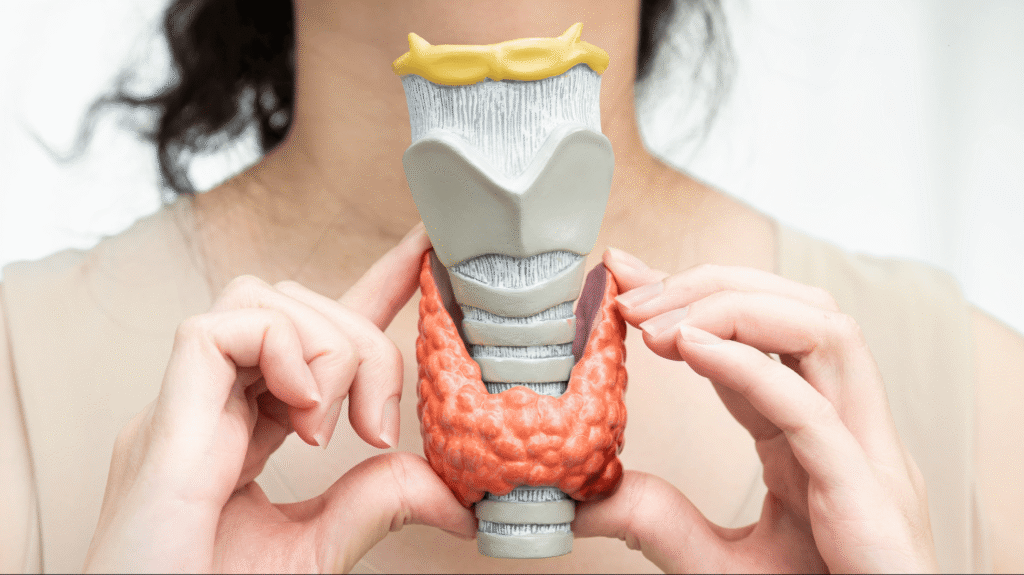
“I eat so little, yet I keep gaining weight.” This is the anthem of millions of Indian women suffering from Hypothyroidism. While the slow metabolism is a known issue, the “Invisible Symptom” is the constant, gnawing hunger. When your thyroid is sluggish, your cells aren’t getting energy efficiently. Your brain perceives this as a “famine” and sends out intense hunger signals, specifically for sugar and fast-acting carbs, to try and get some energy into the system. This pattern is commonly observed by us, recognized as the best dietitian in India and by endocrinologists treating hormonal obesity. The Cellular Energy Gap The thyroid hormone (T3) is the “key” that unlocks energy in every cell of your body. If T3 levels are low, the “doors” to your cells stay locked, leaving your blood sugar with nowhere to go. As a result: You feel “hangry” (hungry + angry) just two hours after a full meal. Your basal body temperature stays low, making you feel cold and sluggish. Your hair thins and your digestion slows down to a crawl. Eating more sugar only makes it worse, as it leads to insulin spikes that further suppress thyroid function. It is a hormonal “tug-of-war” that you simply cannot win with willpower alone. The “Iodine-Selenium” Balance From The Best Dietitian In India As the best dietitian in India, we emphasize that the thyroid needs more than just medication—it needs specific “Raw Materials” to function. Including selenium-rich foods like Brazil nuts (just two a day) and iodine-rich sea vegetables or iodized salt is crucial. But you must also avoid “Goitrogens” like raw broccoli or kale if your thyroid is struggling. Cooking these vegetables neutralizes the risk, allowing you to get the fiber without the hormonal cost. Gut-Thyroid Synergy From The Best Dietitian In Gujarat Healthy2bfit is the best dietitian in Gujarat and in our research, 20% of thyroid conversion happens in the gut. If you have constipation or “Leaky Gut,” your thyroid medication won’t work effectively. By fixing your gut health with fiber and probiotics, you improve your thyroid function, which in turn fixes your hunger signals. When your thyroid is happy, your “hunger switch” finally turns off, and weight loss starts to happen naturally. You stop fighting your body and start working with it. Call us at +91 9814274040 ! “Sehatmand Raho, Sukhi Raho!” (Stay Healthy, Stay Happy)

Why Your Sluggish Thyroid is Making You Constantly Hungry? Read More »

Why High Uric Acid is More Than Just "Gout" and Joint Pain

Why High Uric Acid is More Than Just “Gout” and Joint Pain?

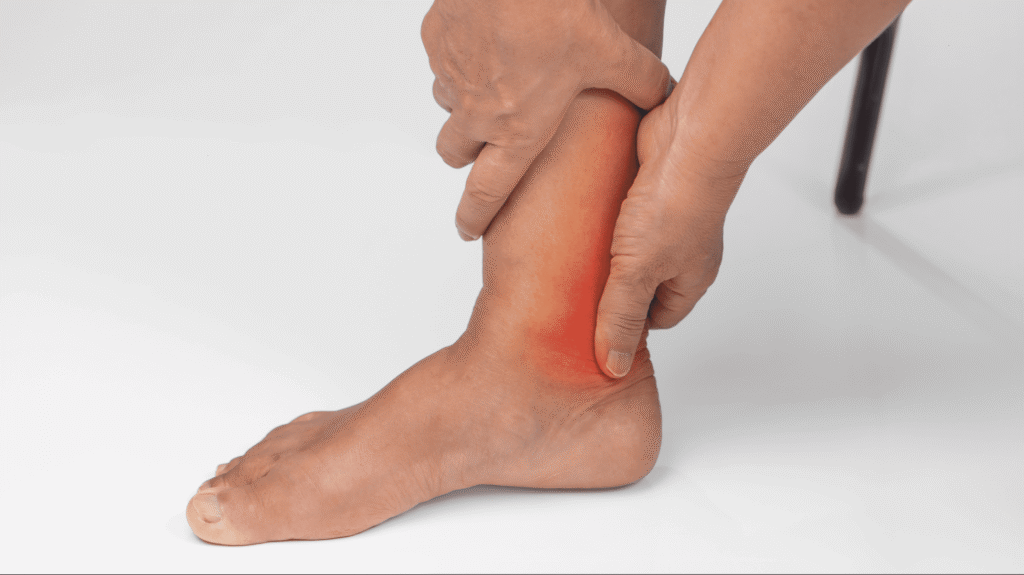
In Indian clinics, we are seeing a massive spike in young men and women complaining of “heel pain” or “stiff morning joints.” While they often suspect a physical injury, the culprit is frequently High Uric Acid (Hyperuricemia). In 2026, we understand that high uric acid is a metabolic “smoke alarm.” It tells us that the liver is overwhelmed by two things: excessive fructose (from sodas and “healthy” juices) and alcohol. If left unchecked, it leads to painful gout, kidney stones, and even heart disease. The Fructose-Purine Connection While most people think uric acid only comes from “red meat” or “dal,” the biggest modern driver is actually sugar. Fructose is the only sugar that directly increases uric acid production in the liver as it breaks down. As a result: Uric acid crystals deposit in the joints, causing “Gout” and pain. Systemic inflammation increases, leading to significant water retention. The kidneys become stressed as they try to filter out the metabolic excess. If you are eating “fruit platters” all day or drinking packaged juices while your joints ache, you are literally fueling the fire. The “Purine-Sensitive” Diet From The Best Dietitian In Patiala In Patiala, where the diet is rich in proteins, managing uric acid requires a surgical approach to food choices. As the best dietitian in Patiala, we recommend temporarily reducing high-purine foods like spinach, mushrooms, and certain lentils, while completely eliminating high-fructose corn syrup and alcohol. Drinking 3 to 4 liters of water with a squeeze of fresh lemon is the simplest way to help your kidneys flush the acid out of your system. Metabolic Repair From The Best Dietitian In India According to us, the best dietitian in India, uric acid is often a “tag-along” symptom of insulin resistance. By fixing your blood sugar levels through a low-GI diet and strength training, you naturally lower your uric acid levels. It’s not just about “quitting dal”—it’s about fixing the liver’s ability to process waste efficiently. When you lower your uric acid, your joint pain disappears, your energy returns, and your metabolic health stabilizes. Listen to the alarm and take action early. Call us at +91 9814274040 ! “Sehatmand Raho, Sukhi Raho!” (Stay Healthy, Stay Happy)

Why High Uric Acid is More Than Just “Gout” and Joint Pain? Read More »

Why 80% of Indians are Vitamin D Deficient Despite the Sun

Why 80% of Indians are Vitamin D Deficient Despite the Sun?

India is a land of blinding, abundant sunshine, yet we are currently facing a silent national crisis of Vitamin D deficiency. Most Indians carry a deep-seated belief that living in a tropical climate automatically protects them from this hormonal imbalance. However, clinical tests across the country consistently show that even those living in the sunniest parts of Gujarat and Punjab have levels well below the healthy range. This deficiency is a primary driver behind chronic fatigue, sudden hair loss, PCOS, and a weakened immune system that struggles to fight off seasonal infections. This is a frequent observation made by us, the best dietitian in Ahmedabad and clinical experts tracking the rise of metabolic disorders in modern urban populations. The Barriers To Vitamin D Absorption In 2026, the problem is not a lack of sunlight—it is how our modern lifestyle limits our ability to use it. We spend most of our time indoors, often behind glass windows that block the UVB rays our skin needs to produce Vitamin D. At the same time, the higher melanin content in Indian skin provides natural sun protection but also slows Vitamin D production. As a result, most Indians need to spend significantly more time in direct sunlight than lighter-skinned individuals to produce the same amount of the “sunshine vitamin.” As a result: Calcium absorption fails, leading to persistent joint and back pain. Mood swings and “Winter Blues” become common even in summer. Resistance to insulin worsens, making weight loss a difficult struggle. Pollution in major Indian cities also creates a microscopic haze that filters out the specific wavelengths of light required for our skin to manufacture this vital hormone. The “Noon Exposure” Rule From The Best Dietitian In Ahmedabad In a city like Ahmedabad, where the heat is intense, most people naturally avoid the sun during the peak hours of the day. However, as the best dietitian in Ahmedabad, we explain to our clients that the best time for Vitamin D synthesis is actually between 11 AM and 1 PM. This is when the sun is at its highest point and the UVB rays are most direct. Spending just 15 to 20 minutes with your arms and legs exposed during this specific window is far more effective than sitting for hours in the soft, early morning sun. Supplementation Strategies From The Best Dietitian In India According to the best dietitian in India, Vitamin D is a fat-soluble vitamin. Your body absorbs it best when you take it with a meal containing healthy fats such as ghee, nuts, seeds, or healthy oils. If your Vitamin D levels are severely low, sunlight alone cannot restore them quickly. In such cases, you may need medical-grade supplementation under a doctor’s guidance. Vitamin D also works best when your body has adequate Vitamin K2 and magnesium. These nutrients help direct calcium to your bones instead of allowing it to build up in your arteries. When your Vitamin D levels improve, your metabolism functions more efficiently. You may also experience better mood, stronger immunity, and improved overall health. Call us at +91 9814274040 ! “Sehatmand Raho, Sukhi Raho!” (Stay Healthy, Stay Happy)

Why 80% of Indians are Vitamin D Deficient Despite the Sun? Read More »

Why Drinking Only Plain Water Isn't Enough for Hydration

Why Drinking Only Plain Water Isn’t Enough for Hydration

Most of us have been told to drink “3 liters of water a day” to stay healthy. Yet, even those who carry a water bottle everywhere often feel thirsty, fatigued, and suffer from dry skin. This is because hydration isn’t just about the volume of water you swallow; it’s about how much of that water actually enters your cells. In a climate like India’s, where we lose essential minerals through sweat and heat, drinking plain, filtered water can sometimes flush out electrolytes, leaving you feeling more drained. We need “functional” hydration…liquids that carry minerals and aid digestion simultaneously. The “Digestion-Hydration” Connection with the Best Dietitian in Gujarat In Western India, where the heat can be intense, traditional wisdom has always prioritized infused waters over plain ones. Whether it’s Jeera water for bloating or a glass of Buttermilk with a pinch of black salt, these drinks do more than just quench thirst. They prime the digestive tract. We are the best dietitian in Gujarat and we see how switching from plain water to “structured” liquids can resolve chronic acidity and water retention. Kokum juice, for instance, is a powerhouse of hydroxycitric acid (HCA), which helps in weight management while cooling the body from the inside out. These aren’t just “refreshing drinks”; they are metabolic boosters that ensure your cells are actually holding onto the moisture you provide. Smart Sipping Strategies from the Best Dietitian in Ahmedabad In a fast-paced city like Ahmedabad, it’s easy to rely on sodas or sugary juices when the afternoon slump hits. But these only lead to further dehydration. Instead, try “The Big Three” infusions: Ajwain water for post-meal heaviness, Fennel (Saunf) water for sweet cravings, and Coriander seed water for thyroid and hormonal balance. This practical approach to daily wellness is what makes us the best dietitian in Ahmedabad a trusted voice in the community. By adding a tiny pinch of rock salt or a squeeze of lemon to your water, you turn it into a natural electrolyte solution. This ensures that the water stays in your system long enough to flush out toxins and nourish your skin. Hydration in 2026 isn’t about the number of glasses you track on an app; it’s about the quality of the fluid and the timing of your sips. When you hydrate with intention, your energy levels stabilize, your brain fog clears, and your digestion finally finds its rhythm. Call us at +91 9814274040 ! “Sehatmand Raho, Sukhi Raho!” (Stay Healthy, Stay Happy)

Why Drinking Only Plain Water Isn’t Enough for Hydration Read More »

How to Start Eating Millets Without Any Digestive Issues

How to Start Eating Millets Without Any Digestive Issues

As we are into the 2nd quarter of 2026, the “Millet Revolution” has taken over every Indian kitchen. From the local markets in Punjab to the high-end stores in major cities, ancient grains like Ragi, Jowar, and Bajra are being hailed as the ultimate solution for weight loss and diabetes. While these grains are nutritionally superior to refined wheat, packed with fiber, magnesium, and iron, many people are finding the switch physically difficult. A sudden jump from soft, processed wheat to dense, high-fiber millets often leads to bloating, “stone-heavy” feelings in the stomach, and even constipation. The problem isn’t the grain; it’s the lack of a transition strategy. So how to start eating millets without any digestive issues lets discuss. The “Millet Mixing” Strategy from the Best Dietitian in Patiala The biggest mistake people make is trying to go “100% Millet” overnight. Your gut microbiome, which has been trained for years to digest soft gluten, needs time to produce the specific enzymes required for these tougher, ancient husks. In Patiala, where the Phulka is a staple, a sudden change can disrupt your daily energy levels. As the best dietitian in patiala, we always recommend the “Slow Integration” method. Start by mixing just 25% millet flour into your regular wheat dough. This allows your digestive tract to adapt to the increased fiber load without causing a backup. Over three to four weeks, you can slowly increase the ratio until your body feels comfortable with a pure millet roti. Soaking and Sprouting Secrets from the Best Dietitian in India Beyond just mixing, how you prepare these grains determines how much nutrition you actually absorb. Millets contain “anti-nutrients” like phytic acid that can block mineral absorption. To fix this, you must soak your millets for at least 6 to 8 hours before cooking or grinding them. This simple step “awakens” the grain and makes it much easier on the human stomach. This level of practical, kitchen-based wisdom is why people seek the best dietitian in India for their health transformations. The goal of the “Millet Movement” is long-term health, not a short-term trend. By choosing the right millet for the right season—like cooling Jowar in the summer and warming Bajra in the winter—you align your diet with nature’s rhythm. When you respect the grain’s complexity and give your gut the time it needs to adjust, you’ll find that millets don’t just help with weight loss; they provide a steady, grounded energy that wheat simply cannot match. True health is about consistency, not intensity. Call us at +91 9814274040 ! “Sehatmand Raho, Sukhi Raho!” (Stay Healthy, Stay Happy)

How to Start Eating Millets Without Any Digestive Issues Read More »

The Hidden Science of Fruit Timing for Better Digestion

The Hidden Science of Fruit Timing for Better Digestion

Fruits are arguably the most perfect food provided by nature…packed with vitamins, minerals, fiber, and living enzymes. Yet, many Indians suffer from severe bloating, acidity, and gas after eating them. The problem isn’t the fruit; it’s the timing. In India, there is a deeply ingrained habit of eating fruit as a “healthy dessert” immediately after a heavy lunch or dinner. While the intention is good, the biological result is a digestive disaster. Because fruits digest much faster than complex grains and proteins, they end up getting “trapped” behind your meal, leading to fermentation in the gut. The Fermentation Trap Explained by the Best Dietitian in Ahmedabad Think of your digestive tract as a one-way tunnel. If you send a “fast-moving car” (fruit) behind a “slow-moving truck” (a heavy thali), the car has nowhere to go. The natural sugars in the fruit begin to ferment while waiting for the rest of the food to digest. This process produces gases that lead to that uncomfortable, “stretched” feeling in your stomach. As the best dietitian in Ahmedabad, where meals are often hearty and celebratory, we see this mistake daily. To get the actual benefits of fruit, you must eat them on an empty stomach or as a standalone snack. The best time is early morning or mid-morning, at least two hours after breakfast. When eaten alone, the body can rapidly absorb the antioxidants and fiber without any interference. This simple shift in timing can resolve chronic bloating issues that people have been struggling with for years, without the need for any medication. The “Golden Rule” of Fruit Consumption from the Best Dietitian in India Another critical rule is to avoid mixing fruits with milk or yogurt unless they are naturally sweet and ripe. Acidic fruits like oranges or pineapples, when combined with dairy, can curdle in the stomach and create toxins known in traditional science as ama. This nuanced understanding of food synergy and timing is a hallmark of Healthy2bfit, the best dietitian in India. It’s about respecting the body’s natural enzymatic rhythm. We encourage our clients to “eat their water” by choosing hydrating fruits like melons and citrus in the first half of the day. By the time evening rolls around, your digestive fire (Agni) is naturally cooling down, making it the wrong time for raw, cold fruits. By following these “Fruit Rules,” you ensure that nature’s candy actually fuels your vitality instead of causing digestive discomfort. True health is not just about what you put in your body, but when and how you choose to consume it. Call us at +91 9814274040 ! “Sehatmand Raho, Sukhi Raho!” (Stay Healthy, Stay Happy)

The Hidden Science of Fruit Timing for Better Digestion Read More »

Menopause Weight Gain: Why Dieting Stops Working

Menopause Weight Gain: Why Dieting Stops Working

Menopause Weight Gain: Why Dieting Stops Working — many women enter menopause doing exactly what once worked for them: eating less, skipping meals, cutting carbs, and walking more. Yet the weight doesn’t budge. In fact, it often increases, especially around the abdomen. This phase can feel confusing and frustrating because what used to work suddenly stops working. The issue is not lack of discipline or willpower. Menopause changes how the body responds to food, stress, sleep, and even exercise. What Actually Changes During Menopause? Menopause is not just about periods stopping. It brings a major hormonal shift. Estrogen levels decline, and this affects metabolism, muscle mass, insulin sensitivity, sleep quality, and fat distribution. The body becomes more prone to storing fat, especially in the abdominal region. Muscle loss accelerates, and calorie needs reduce slightly — but appetite and stress often increase. Dieting the old way fails because the body is no longer operating on the same hormonal system. Why Eating Less Backfires Many women respond by cutting food further. This often worsens the problem. When intake drops too low: Metabolism slows down Muscle mass reduces Cortisol (stress hormone) rises Fat storage increases Energy crashes become frequent The body interprets restriction as stress and protects itself by holding onto weight. The Role Of Stress And Sleep Menopause often brings sleep disturbances — difficulty falling asleep, night waking, or unrefreshing sleep. Poor sleep increases hunger hormones and worsens insulin resistance. Stress, whether emotional or physical, compounds the issue. High cortisol promotes belly fat and interferes with fat loss, even when calorie intake is controlled. This is a pattern often seen by us, the best dietitian in Ahmedabad and by professionals supporting women across India and abroad. Why Cardio Alone Is Not Enough Many women rely heavily on walking or cardio. While movement is important, excessive cardio without strength training can increase muscle loss. Less muscle means a slower metabolism. Without muscle support, weight loss becomes harder and fatigue increases. What Actually Works During Menopause? Menopausal nutrition needs a shift in focus: Adequate protein to protect muscle Balanced meals instead of restriction Support for gut and liver health Blood sugar stability Stress and sleep management Strength-based movement This is not about extreme dieting. It is about working with the body, not fighting it. Women guided by experienced professionals, including the best dietitian in India, Healthy2Bfit often notice better energy, improved body composition, and reduced inflammation when they stop undereating and start nourishing correctly. Why Generic Diet Plans Fail Women In Menopause Most diet plans are designed for younger metabolisms. They ignore hormonal shifts, emotional health, and recovery needs. Menopause requires personalisation — food choices, timing, and lifestyle strategies must adapt to the new phase. Final Thought Menopause weight gain is not a personal failure. It is a biological transition that requires a smarter approach. Dieting harder is not the answer. Eating smarter, supporting hormones, and respecting the body’s new rhythm is. With the right guidance, weight can stabilise, energy can return, and health can improve — without punishment or deprivation. Call us at +91 9814274040 ! “Sehatmand Raho, Sukhi Raho!” (Stay Healthy, Stay Happy)

Menopause Weight Gain: Why Dieting Stops Working Read More »

Perimenopause: The Phase No One Prepares You For

Perimenopause: The Phase No One Prepares You For

Most women have heard of menopause. Very few are warned about what comes before it. Perimenopause often arrives quietly, years earlier than expected, and leaves women questioning their bodies, moods, and health. Periods may still be regular or slightly irregular, so menopause doesn’t even cross the mind. Yet the body is already changing. Energy drops, weight shifts, sleep breaks, emotions fluctuate, and food suddenly behaves differently. Perimenopause is not an illness. It is a transition. But because no one prepares women for it, it often feels alarming. What Exactly Is Perimenopause? Perimenopause is the phase leading up to menopause. It can begin in the late 30s or early 40s and last several years. During this time, estrogen and progesterone fluctuate unpredictably rather than declining steadily. These hormonal swings affect metabolism, mood, digestion, sleep, and appetite. Some months feel normal. Others feel completely off. This unpredictability is what makes perimenopause so confusing. Common Signs That Are Often Missed Many symptoms are dismissed as stress or ageing: Sudden weight gain, especially around the abdomen Fatigue that doesn’t improve with rest Increased anxiety or irritability Sleep disturbances Brain fog or poor focus Bloating and digestive discomfort Because blood tests may still appear “normal,” women are often told nothing is wrong. Why Diets Stop Working During This Phase Perimenopause changes how the body handles carbohydrates, stress, and calories. Insulin sensitivity may reduce, muscle mass may decline, and cortisol levels may rise. As a result, calorie-cutting or skipping meals often backfires. Weight loss stalls, energy drops, and cravings intensify. The body becomes more sensitive to stress — including dietary stress. This is a pattern frequently observed by Healthy2bfit, the best dietician in Chandigarh and by experts supporting women across India. The Role Of Sleep And Stress Hormonal fluctuations disturb sleep quality. Poor sleep increases hunger hormones and worsens mood and inflammation. Stress further amplifies these effects, creating a loop that affects digestion and weight. Ignoring sleep and emotional health makes nutritional changes far less effective. What Supports The Body During Perimenopause? The goal during perimenopause is stability, not restriction: Regular, balanced meals Adequate protein to protect muscle Support for gut and liver health Gentle strength-based movement Consistent sleep routines Stress reduction Small, supportive changes work far better than aggressive dieting. Why Personalisation Matters More Now Perimenopause is highly individual. Two women of the same age may experience it completely differently. Generic diet plans rarely work because they don’t account for hormonal sensitivity. This is why women often benefit from guidance tailored by experienced professionals in our team, the best dietitian in India, who understand female metabolic shifts. Final Thought Perimenopause is not something to fear, but it is something to understand. The confusion many women feel comes from lack of awareness, not from weakness. With the right information, nutrition, and lifestyle support, this phase can be navigated calmly and confidently. Your body isn’t betraying you. It’s asking for a different kind of care. Call us at +91 9814274040 ! “Sehatmand Raho, Sukhi Raho!” (Stay Healthy, Stay Happy)

Perimenopause: The Phase No One Prepares You For Read More »

Why Digestion Slows Down in Indian Winters

Why Digestion Slows Down in Indian Winters

Every winter, the same complaints return to Indian households — heaviness after meals, bloating, gas, constipation, acidity, and a general feeling that food is just “sitting” in the stomach. People eat the same food they ate all year, yet digestion suddenly feels sluggish. This isn’t imagination. Winter genuinely slows digestion, and the Indian body feels it more strongly because of lifestyle and food habits. This pattern is commonly observed by us, recognised as the best dietitian in Patiala, the best dietitian in Gujarat, and by nutrition experts working across India and with Indians living abroad. The Body Changes Its Priorities In Winter In colder months, the body naturally conserves energy. Blood circulation shifts slightly away from the digestive tract toward vital organs to maintain body warmth. As a result: Digestive enzyme activity reduces Gut movement slows Food stays longer in the stomach and intestines Digestion doesn’t stop — it just becomes less efficient. When meals remain heavy and routines remain irregular, symptoms begin to show. Less Water, More Problems One of the biggest winter mistakes Indians make is drinking less water. Thirst reduces in cold weather, but the body’s need for fluids does not. Low hydration directly affects digestion: Stools become harder Constipation increases Acidity worsens Gut clearance slows Many people eating fibre-rich food still suffer because fibre without water does more harm than good. Winter Food Habits Add To The Load Indian winters are associated with heavier foods — more oil, ghee, fried snacks, sweets, bakery items, and comfort foods. These foods are not wrong, but the quantity and timing matter. Digestion slows, yet portions often increase. Late dinners become common, physical movement reduces, and snacking increases. This mismatch overwhelms the digestive system. This is something nutritionists across regions — whether the best dietitian in Patiala, the best dietitian in Chandigarh, or elsewhere — observe every winter season. Low Movement Affects The Gut Movement stimulates digestion. In winter, activity levels drop. Morning walks are skipped, evenings are colder, and sitting increases. The gut depends on physical movement to push food forward. Less movement means slower bowel activity, leading to bloating and constipation. Why Acidity Feels Worse In Winters Slower digestion means food stays longer in the stomach. This increases the chances of acid moving upward, causing reflux and burning sensations. People often blame spicy food, but the real issue is delayed digestion combined with late meals and reduced activity. Suppressing acid does not fix this pattern. Stress And Sleep Also Play A Role Winters disturb sleep for many — late nights, less sunlight, irregular routines. Poor sleep directly weakens digestion and gut rhythm. Stress tightens gut muscles, slowing bowel movement further. This gut–brain connection is often underestimated. What Actually Helps Winter Digestion? Supporting digestion in winter doesn’t require extreme changes: Eat warm, freshly cooked meals Reduce portion size slightly Drink warm water regularly Move daily, even indoors Keep meal timing consistent Avoid very late dinners Balanced meals with adequate protein help digestion far more than heavy carb-dominated plates. This holistic approach is why people seek structured guidance from us, the best dietitian in India rather than relying on random remedies. Final Thought Slower digestion in Indian winters is natural — suffering from it is not. When seasonal changes are respected instead of ignored, digestion adjusts smoothly. Winter asks for rhythm, warmth, and moderation. When those are missing, the gut speaks up. Listening early prevents months of discomfort later. Call us at +91 9814274040 ! “Sehatmand Raho, Sukhi Raho!” (Stay Healthy, Stay Happy)

Why Digestion Slows Down in Indian Winters Read More »

Need Help?
Scroll to Top