

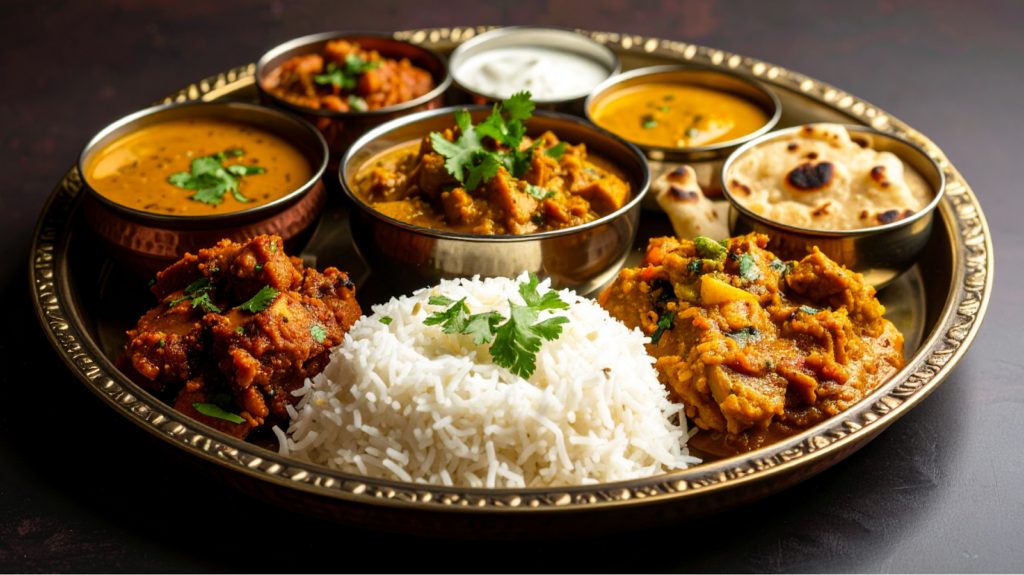
The Indian thali has always been celebrated as balanced, wholesome, and nourishing. Traditionally, it included seasonal vegetables, lentils, grains, fermented foods, and healthy fats , all eaten mindfully. But why the modern Indian thali is making us sick & looks very different, and it is silently contributing to obesity, diabetes, fatty liver, gut issues, hormonal imbalance, and heart disease.
As the best dietitian in Ahmedabad, working with clients across Gujarat, Patiala, Chandigarh, and also Indians settled globally, we see one common issue…. people believe they are eating “ghar ka khana,” yet their health markers keep worsening.
Why the Modern Indian Thali Is Making Us Sick?
The problem is not Indian food. The problem is how it is prepared, portioned, and combined today.Modern thalis are overloaded with:
- Excess refined grains (white rice, maida rotis)
- Too much oil, ghee, butter, and reheated fats
- Minimal protein
- Very low fibre
- Repeated vegetables cooked the same way daily
This imbalance causes constant blood sugar spikes, insulin resistance, and fat storage — especially around the belly.
High Carbs, Low Protein – A Dangerous Mix
Most Indian thalis today are carb dominant. Two to three rotis, rice, potato sabzi, and dal in small quantities is considered “normal.” But protein, the nutrient that controls hunger, metabolism, muscle health, and hormones, is severely lacking.
Our Clients from Ahmedabad, Chandigarh, and even abroad, who signed up with us in their quest for the best dietitian in India often say, “But we eat dal daily.” Unfortunately, dal alone is not enough for modern lifestyles, stress levels, and sedentary routines.
Why Digestive Issues Are Rising
Bloating, gas, acidity, constipation, and IBS are now common in young Indians. One major reason is repetitive, heavy, and poorly balanced thalis. Overcooked vegetables, lack of raw foods, poor gut bacteria diversity, and constant snacking between meals disrupt digestion. Even globally, Indians following the same food patterns struggle with gut health.
The Oil And Portion Size Problem
Traditional Indian meals used small amounts of fresh fats. Today, restaurant-style cooking has entered homes… more oil, more frying, more gravies. Portion sizes have also increased, while physical activity has dropped. This mismatch is a major reason behind rising fatty liver cases, even among people in their 30s.
How To Fix The Indian Thali Without Quitting Indian Food
You don’t need to give up roti, rice, or dal. You need to restructure your thali:
- Increase protein portions (dal, paneer, curd, eggs, tofu, fish, chicken)
- Add fibre through salads and diverse vegetables
- Reduce oil quantity
- Balance grains instead of piling them up
- Eat mindfully and stop overeating in the name of tradition
This is where guidance from the best dietitian in India makes a real difference.
Our Take:
The Indian thali is not unhealthy — the modern version is. Without correction, it continues to push Indians toward lifestyle diseases, even those who “eat home food.”
Whether you live in India or anywhere in the world, a personalised approach rooted in Indian food wisdom is the key to healing.
Smart nutrition, not blind tradition, is what keeps you healthy today.
Call us at +91 6280234040 now!
“Sehatmand Raho, Sukhi Raho!” (Stay Healthy, Stay Happy)


